
Audio Compression Explained: How It Improves Streaming Quality
Introduction
What Is Audio Compression?
Audio compression makes audio files smaller. This is done without losing sound quality. It removes or optimizes audio data. This reduces the file size. Audio compression makes sending files over the internet faster. It also makes it more efficient.
Emergency audio compression is similar. It prioritizes speed and clarity. In emergencies, time is critical. Audio must be sent and heard quickly. There should be no delays.
Why Audio Compression Is Essential in Modern Digital Audio
Instant accessibility has become a necessity for today’s users. If a user has to wait on a long download time or an extended buffering time, this quick leads to a terminated session and/or involvement. With Audio Compression technology, users can now experience an audio file that is light-weight and able to be share via networks.
Some of the many benefits of Audio Compression include:
- Decreased storage needs
- Reduced data transfer time
- Worldwide distribution capabilities
- Whether played on a mobile device or desktop, should be play back even across all devices.
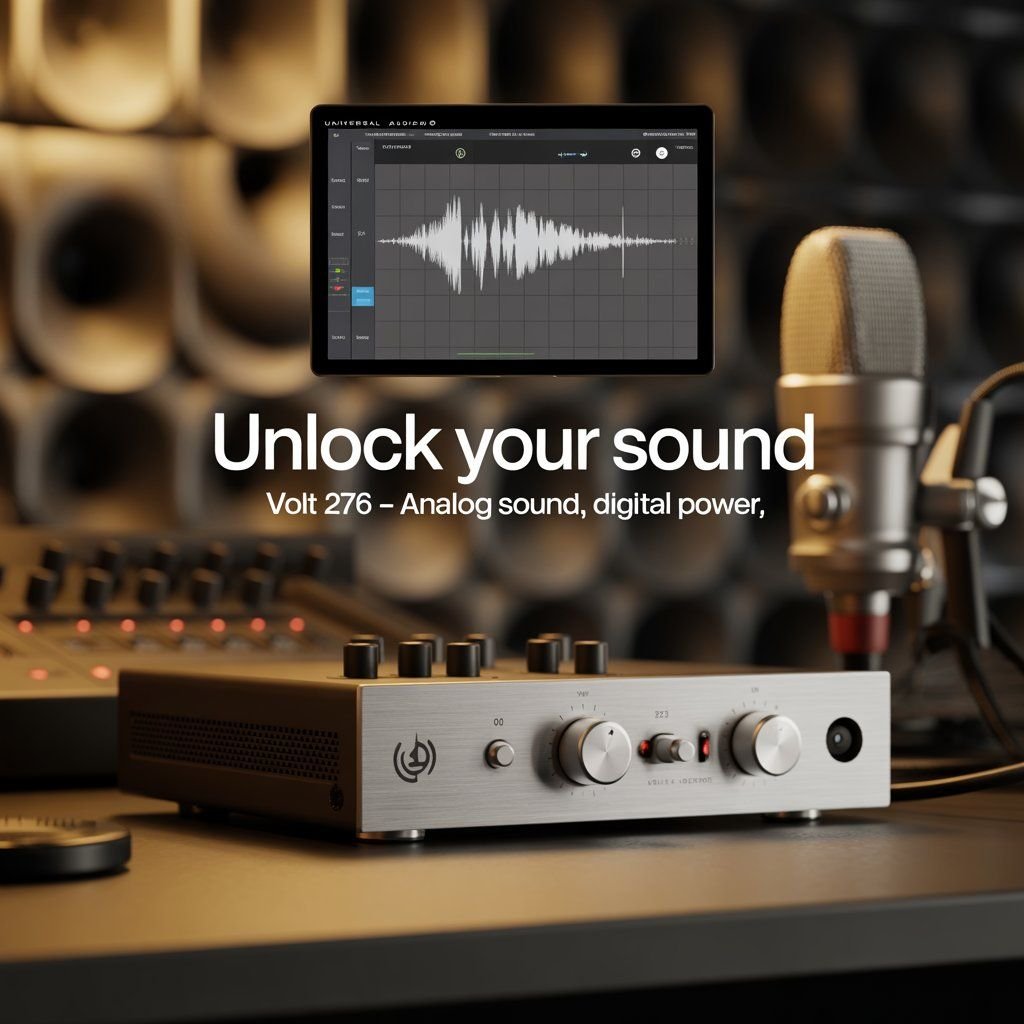
How Audio Compression Improves Streaming Quality at a Glance
To optimize the delivery of urgent audio, it is critical to place emphasis on audio compression for streaming. Optimizing bitrate reduces audio file size. It does not harm sound clarity. It also keeps comprehension easy. This is true even at high speeds. This is important on unstable data connections.
Emergency audio compression works well. It makes critical audio messages faster. It also makes them clearer. This helps users who need information quickly. It also helps casual users.
Why Audio Compression Is Important for Streaming Platforms?
Audio compression is essential for online streaming. All streaming services need it. This applies to music apps and voice-over marketplaces. Compressed files ensure fast, consistent audio delivery.
Audio compression offers other key benefits. It enables real-time streaming. It also allows content delivery to various devices. In emergencies, audio compression is critical. It delivers live announcements and alerts quickly.
How Audio Compression Reduces File Size Without Hurting Experience
Audio files can be compressed. This is done by removing sounds the human ear can’t easily hear. This creates a smaller file. The audio still sounds the same.
Lossy formats like MP3 or M4A are good for streaming. They balance fast delivery with good audio quality..
Impact of Audio Compression on Bandwidth Usage
Audio compression greatly reduces the bandwidth needed for online audio. Streaming services can support more users. This improves the user experience. It’s especially helpful in areas with slow internet.
How Audio Compression Works Behind the Scenes
How does audio compression work?
It uses psychoacoustic principles. It figures out which sounds are most noticeable. It then removes or lowers the quality of less noticeable sounds. This keeps the important sounds clear.
Speed-first emergency audio compression systems encode audio quickly. This ensures fast delivery to users.
Difference Between Raw Audio and Compressed Audio
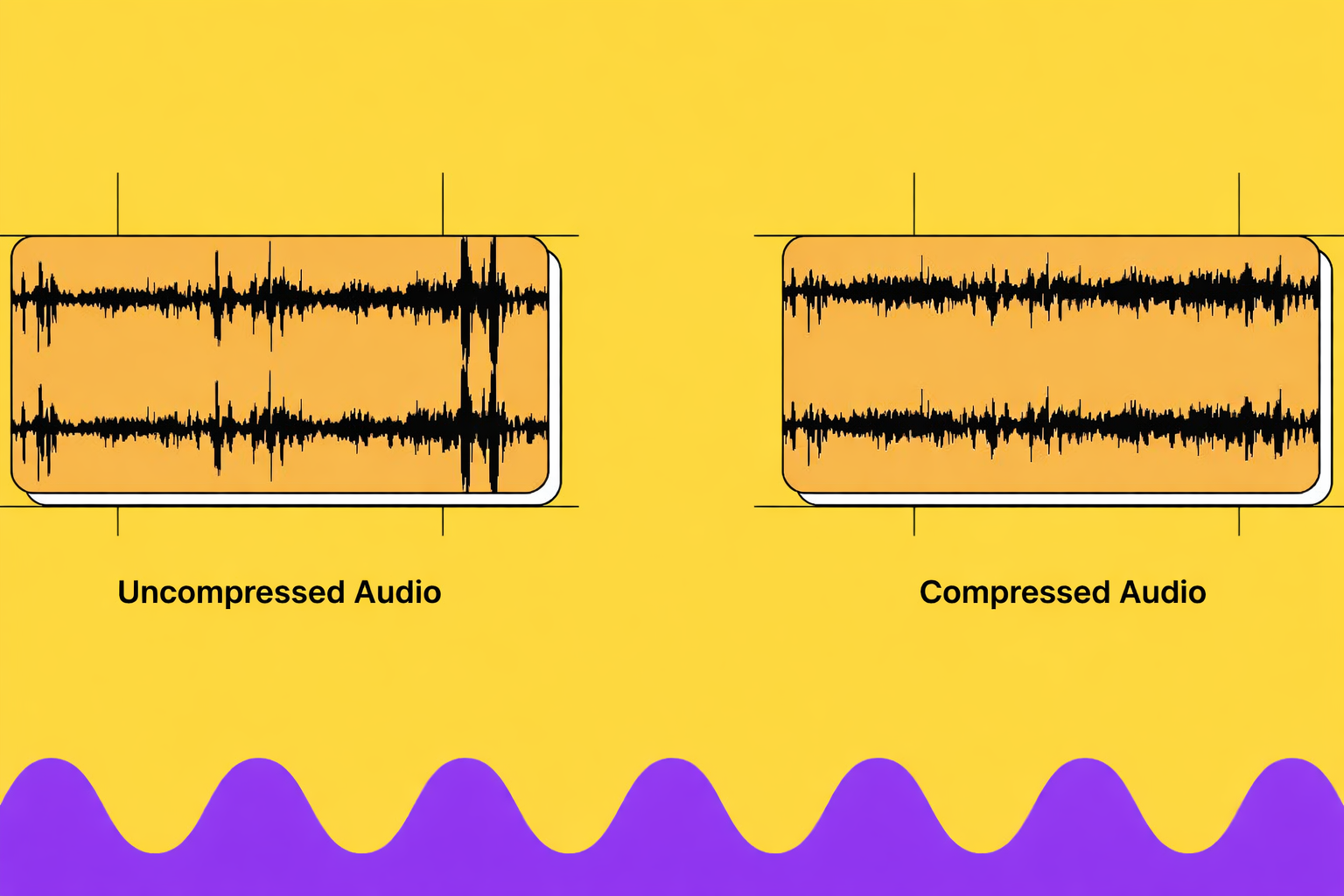
Uncompressed raw audio files can be extremely large and are not suitable for streaming. Compressed audio has been formatted and optimized for delivery, playback, and storage.
Audio compression serves as a bridge between the highest-quality studio sound and the practical limitations of the internet.
Step-by-Step Process for Audio Compression
- Test the audio signal
- Cut redundant/inaudible elements
- Optimize audio bitrate
- Encode file into a compression format
- Deliver compressed audio to the end user for streaming.
This process is use by a variety of music distribution and professional voice rental marketplaces, such as PickMyVoice.
Types of Audio Compression Explained Clearly
Lossy vs Lossless Audio Compression
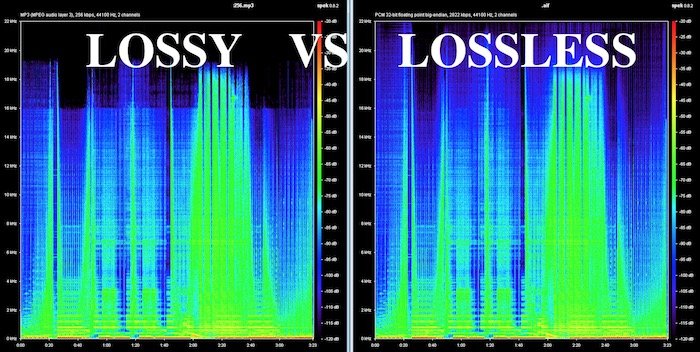
Lossy audio compression makes files smaller. It removes parts of the original audio. This is common for internet delivery. It’s also used for casual listening at home or on phones.
Lossless audio compression keeps all original audio data. It still reduces file size. This is best for archival. It’s also used in studio production.
Key Differences and Practical Use Cases
The main difference is their use. Lossy compression is used for digital streaming. This allows fast downloads. It uses less bandwidth.
Lossless compression is better for audio fidelity. This means maintaining audio quality. It’s used for studio mastering. It’s also used for professional storage.
When to Choose Each Type of Audio Compression
Choose lossy Audio Compression for:
- Streaming platforms
- Podcasts
- Online voice content
Choose lossless Audio Compression for:
- Archival storage
- Studio recordings
- Audio editing workflows
Popular Audio Compression Formats Explained in Simple
Fundamentals of MP3 and Audio Compression
MP3 remains a top compressed audio format. It blends good sound quality with small file size. It works on all audio devices.
Advanced Audio Codec (AAC), OGG Audio, Free Lossless Audio Codec (FLAC), and WAVE (WAV)
Advanced Audio Codec (AAC) is an improvement on MP3. It offers better sound at lower bitrates.
OGG Audio is an efficient, free format for the internet.
Free Lossless Audio Codec (FLAC) delivers high-quality audio without losing any sound details.
WAV (Waveform Audio File Format) files store audio without compression. They offer the highest fidelity for audiophiles.
Which audio compression formats are the best for streaming?
AAC and MP3 are ideal for digital audio streaming. They offer a great mix of audio quality, file size, and device compatibility. This leads to a better user experience online.
Reduced buffering and a better experience while listening or watching.
Less buffering means a smoother listening experience.
Optimizing audio bitrate helps streaming platforms adjust quality. This reduces buffering and interruptions.
Making audio accessible on low bandwidth connections
Audio Compression vs Audio Quality: Finding the Right Balance
Common Myths About Audio Compression
There’s a long-standing myth that audio compression ruins audio quality. Audio compression doesn’t ruin audio quality. Modern technology can keep audio clear. It also makes files smaller.
Bitrate, Sampling Rate, and Audio Compression
Bitrate controls data flow. Sampling rate affects audio accuracy. You can combine these for efficient streaming.
Best Practices to Maintain Quality with Audio Compression
To keep quality high: use the right audio format. Match the channel setup to the playback platform. Set the bitrate for that platform’s needs.
Audio Compression in Music, Podcasts, and Video Streaming
Use of Audio Compression in Music Platforms
Music platforms use lossy audio compression. This helps them deliver millions of songs efficient.
Audio Compression for Podcasts and Voice Clarity
Podcasts and voice content also use audio compression. This conserves file size. It also preserves audio quality for spoken content..
How Video Streaming Services Rely on Audio Compression
Video streaming services rely on audio compression. They use it with video codecs. This ensures audio and video are deliver in sync. There are no noticeable delays or quality loss.
Common Audio Compression Mistakes to Avoid
Over-Compressed Audio
The effects of over-compression results in a sound that is unmusical and unnatural.
Improper Picked Compression Format
If you do not have an appropriate format for streaming, you will be wasting bandwidth and losing time while loading the file.
Ignoring Platform-Specific Requirements
Every streaming platform has its own unique standard of how to process Audio Compression that must be adhere to.
The Future of Audio Compression Technology
Trends Emerging from New Audio Encoding/Decoding Technology
Advanced Compressed Digital Audio (ACDA) through New Codecs such as AAC, are creating higher quality audio files at lower bit rates.
Artificial Intelligence Development of Audio Compression Technology

Artificial intelligence is improving audio compression. This technology adapts in real-time. It optimizes sound for network performance.
What’s Ahead for Streaming, Digital Audio, and Audio Compression Technology
Looking ahead, streaming, digital audio, and audio compression will evolve. These techniques will become smarter, faster, and more adaptive. They will also offer adaptable emergency solutions.
Conclusion:
What Makes Audio Compression the Backbone of Streaming Audio
Audio compression is vital for streaming. It’s not a technical process. It’s the foundation of all digital audio streaming. Fast and clear delivery of content is important. Audio compressors help users get the quality they expect. Platforms like PickMyVoice depend on audio compression. This provides users with professional-quality audio.
Frequently asked Questions (FAQs):
What is Emergency Audio Compression?
Emergency Audio Compression prioritizes fast delivery and clarity for urgent audio transmissions.
Does Audio Compression reduce audio quality?
When done correctly, Audio Compression preserves clarity while reducing file size.
Which is better: lossy or lossless audio compression?
Lossy is ideal for streaming. Lossless is better for storage and editing.
Why is audio bitrate optimization important?
It balances file size and sound quality for smoother streaming.
Is Audio Compression used in professional voice platforms?
Yes. Platforms like PickMyVoice rely on Audio Compression for efficient delivery.
You may also look like
1.Voice Over Recording Tips: How to Get the Best Sound Quality in a Studio
2. Professional Recording Studio Services_ Everything Artists Need to Know